Summer Reading, But for Parents
Summer Reading, But for Parents
The books (and the research behind them) that actually prepare you for senior year — no fluff, just substance.
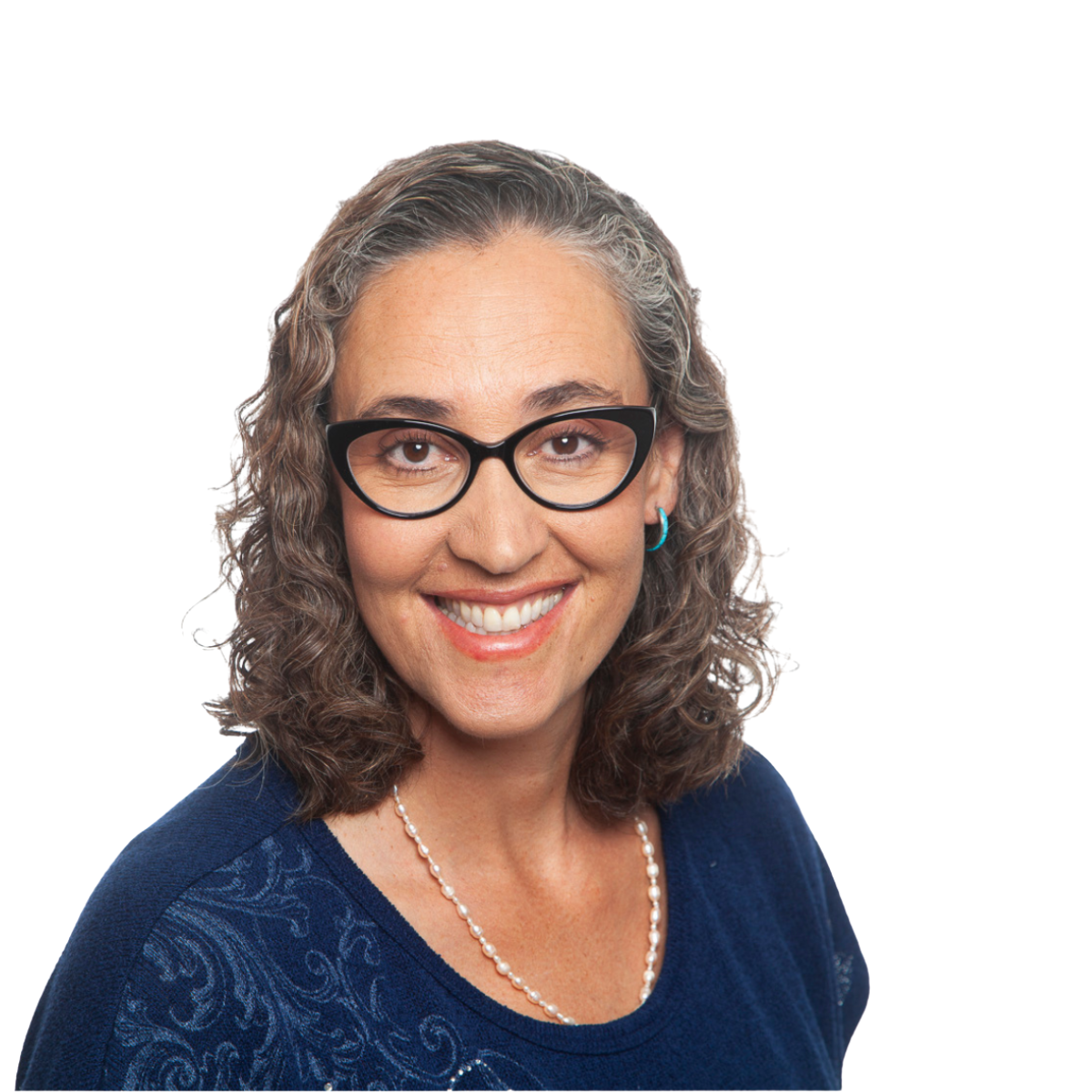
Ask Dr. Emily Wassell
Every June, bookstores build a table of "summer reading" for graduating seniors — usually some mix of beach fiction and one intimidating classic nobody finishes. Nobody builds the parent table. Which is strange, because the parent is the one about to live through a year that will test their nervous system in ways the SAT never will.
I don't think parents need more advice columns telling them to "trust the process" or "enjoy every moment" — advice that is both true and completely useless at 11pm when your daughter is crying over a supplemental essay. What actually helps is understanding the mechanisms underneath what's about to happen — why your teenager will seem to regress right when you need them to step up, why your own anxiety keeps outpacing theirs, why the kid who could debate you into the ground about curfew suddenly can't start a 250-word "Why Us" essay.
So here is the syllabus I actually give parents starting rising senior year — five books, each one solving a different piece of the puzzle, none of them written specifically about college admissions, and all of them more useful than anything with "admissions" in the title.
1. Untangled by Lisa Damour
What it's actually about: The seven developmental transitions adolescent girls move through on the way to adulthood — and why regression is often a sign of progress, not a step backward.
Why it matters for senior year specifically: Damour, a clinical psychologist, describes a pattern that catches almost every parent off guard: right before a major developmental leap, teenagers frequently regress — becoming clingier, moodier, or more avoidant than they were months earlier. Parents interpret this as their teen "falling apart" at the worst possible moment. Damour's research reframes it as the psychological equivalent of a running start. The kid who was independent and confident in June and suddenly seems younger, needier, and more volatile in September isn't broken. She's gathering herself for the actual leap.
What you'll stop doing after reading it: Panicking every time your teen seems to be moving backward. You'll start recognizing regression as data, not disaster.
2. The Self-Driven Child by William Stixrud and Ned Johnson
What it's actually about: The neuroscience of autonomy and stress — specifically, why a felt sense of control is one of the strongest predictors of resilience, and why so much well-intentioned parental involvement in the college process accidentally strips that sense of control away.
Why it matters for senior year specifically: Stixrud, a clinical neuropsychologist, walks through research showing that chronic stress is far more damaging when a person feels they have no agency over it — the same objective stressor is measurably less harmful when someone experiences it as within their control. Translate that to college season: the parent who is managing the spreadsheet, tracking the deadlines, and sending the reminder texts is, with the very best intentions, quietly signaling to their teen that the process belongs to someone else. The nervous system responds accordingly.
What you'll stop doing after reading it: Being the household's Chief Deadline Officer. You'll start handing over the steering wheel — even when it's terrifying to watch — because the research says that's what actually builds a teen who can handle stress instead of being flattened by it.
3. How to Raise an Adult by Julie Lythcott-Haims
What it's actually about: Written by a former Stanford dean of freshmen, this is the most direct account of what over-involved parenting does to eighteen-year-olds the moment they leave home — and it's not subtle. Lythcott-Haims watched, year after year, as capable students arrived on campus unable to advocate for themselves, resolve a roommate conflict, or manage a setback without calling a parent first.
Why it matters for senior year specifically: This is the book that answers the question underneath most parental anxiety this year: am I helping too much? Lythcott-Haims draws a hard, research-supported line between supporting a teenager (which builds capability) and removing obstacles for a teenager (which quietly builds helplessness). Senior year — with its avalanche of deadlines, forms, and decisions — is exactly the year that line gets blurriest, because the stakes feel too high to risk your teen dropping the ball.
What you'll stop doing after reading it: Emailing the guidance counselor on your teen's behalf. Filling out forms they could fill out themselves. Rescuing, when what's needed is coaching.
4. Braving the Wilderness by Brené Brown
What it's actually about: True belonging, and the difference between fitting in and actually being known — a distinction that turns out to be enormously relevant to how a teenager chooses (or doesn't choose) a college.
Why it matters for senior year specifically: So much of the college search gets organized around fitting in — prestige, rankings, what a school "says about you." Brown's research draws a sharp distinction: fitting in is about changing yourself to belong somewhere; true belonging is about being fully yourself and finding the place that receives that. Parents who've internalized this distinction ask a completely different set of questions on college tours — not "will she get in here" but "will she be able to be fully herself here" — and it changes, often dramatically, which schools end up on the final list.
What you'll stop doing after reading it: Steering your teen toward the school with the best name recognition at the neighborhood barbecue. You'll start asking harder, better questions about actual fit.
5. When Things Fall Apart by Pema Chödrön
What it's actually about: Not adolescence at all — it's a Buddhist teacher's classic text on staying present with uncertainty instead of grasping for premature resolution. I include it every year anyway, because senior year is, structurally, twelve months of sustained uncertainty: waiting for scores, waiting for decisions, waiting to know if any of this "worked."
Why it matters for senior year specifically: Chödrön's central idea — that the discomfort of not-knowing is not a problem to be solved but a state to be tolerated — is, functionally, an entire parenting strategy for the admissions cycle. So much of the anxiety of this year comes not from any single hard moment, but from a parent's own inability to sit with "we don't know yet." That discomfort gets transmitted to teenagers with remarkable efficiency — they can feel a parent's unmanaged anxiety even when nothing is said aloud.
What you'll stop doing after reading it: Needing the deferral, the waitlist, or the "maybe" to resolve immediately into a plan. You'll start being able to model — out loud, in your own house — what it looks like to be genuinely okay while genuinely not knowing something yet.
The Thread Connecting All Five
None of these books are about college. That's not an accident — it's the entire argument of this list. The actual skill required to get a family through senior year well isn't admissions knowledge. It's tolerating your own anxiety long enough to let your teenager build theirs.
Every one of these authors, from a different angle, is making some version of the same case: the adolescent nervous system develops resilience through appropriately-sized struggle with a steady adult nearby — not through the struggle being removed, and not through the adult's own panic filling the room instead.
That's a harder summer reading assignment than The Great Gatsby. It's also the one that will actually matter in September.
If you're heading into senior year and want a thinking partner who can help you find the line between supporting and rescuing — for your specific kid, in your specific family — I'd love to talk. I have a few spots open before the season begins in earnest.
Sources referenced:
Damour, L. — Untangled: Guiding Teenage Girls Through the Seven Transitions Into Adulthood
Stixrud, W., & Johnson, N. — The Self-Driven Child: The Science and Sense of Giving Your Kids More Control Over Their Lives
Lythcott-Haims, J. — How to Raise an Adult: Break Free of the Overparenting Trap and Prepare Your Kid for Success
Brown, B. — Braving the Wilderness: The Quest for True Belonging and the Courage to Stand Alone
Chödrön, P. — When Things Fall Apart: Heart Advice for Difficult Times